



Inspect a Forklift
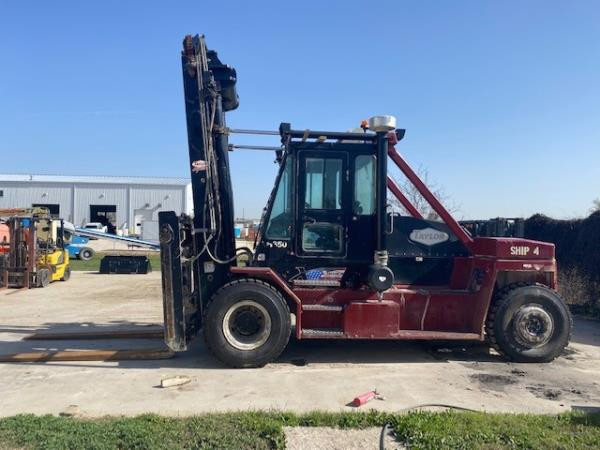
There are more than 10,000 workplace injuries related to forklifts occur every year, based on OSHA and HRSDC reports. A lot of these mishaps are caused by operator error. Lack of appropriate equipment check and maintenance causes many others. Maintenance and operation of a forklift is not just the cause of personal injuries, but also of damage to property. Forklifts could damage sprinklers, building structures and overhead pipes, and other machines when incorrectly utilized. The following daily check ups must be carried out in order to reduce the possibility of forklift accidents.
Prior to checking various fluid levels turn off the engine. Check these fluids: hydraulic oil, fuel, engine oil, coolant and brake fluid. The tires also need to be checked for signs of wear and tear. Check the tire air pressure. Check the forks' condition. The load backrest have to be firmly attached. Do a visual check of the top-clip retaining pin and heel. Then carry out an inspection of the mast chains, hydraulic hoses, stops and cables. Ensure that both the overhead and finger guards are firmly attached.
LP forklifts have propane tanks that have to be inspected for indications of corrosion, damage or rust. Test the battery's electrolyte levels and charge. All belts must be checked for wear. Check to make sure the owner's instruction manual is stored on-board the forklift inside a storage compartment. Test the seat belt to make sure the latches are secure. Test the hood latch to ensure it is functioning as it should.
Start the forklift and listen to the engine noise to make sure there are no unusual sounds. If there are, investigate immediately. Check the steering controls and the accelerator. The service brake and the parking break should be working correctly.
To ensure proper functioning in both reverse and forward, the tilt control and drive control should be inspected. The functioning of the lowering control, the hoist and attachment control requires periodic checking. Check the horn and lights. Then check the defroster, wipers and heater to make sure they are functioning smoothly. Inspect each and every gauge to ascertain that it is reading within functional limits.